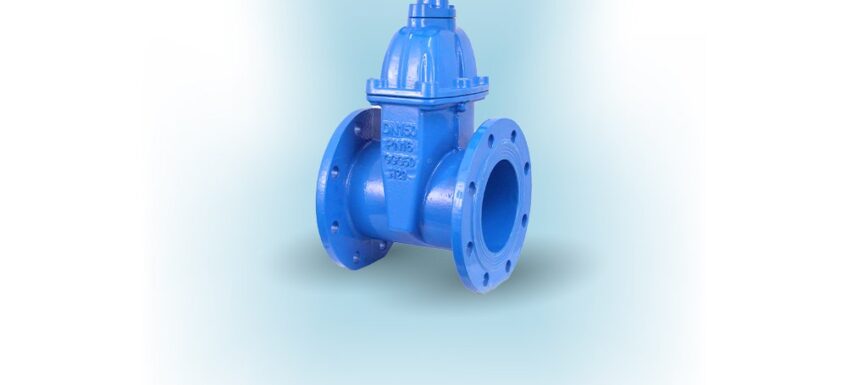
In modern water distribution and industrial pipeline systems, valves play a crucial role in controlling and regulating fluid flow. Among the different types of valves used across industries, the resilient gate valve is widely recognized for its reliable sealing performance and long service life. These valves are specially designed to provide efficient flow control in water supply systems, irrigation networks, wastewater treatment plants, and many other industrial applications.
A resilient gate valve uses a rubber-coated wedge that ensures a tight seal when the valve is closed. This design helps prevent leakage and improves the durability of the valve even under demanding operating conditions. Because of its reliable performance and simple operating mechanism, the resilient gate valve has become a preferred choice in municipal infrastructure and industrial fluid control systems.
This article provides a complete guide to resilient gate valves, including their working principle, types, components, advantages, and applications in various industries.
What is a Resilient Gate Valve?
A resilient gate valve is a type of shut-off valve used to control the flow of fluids in pipelines. The main feature that distinguishes this valve from traditional gate valves is the resilient or rubber-coated wedge used inside the valve body.
When the valve closes, the rubber-coated wedge presses tightly against the valve seat, creating a leak-proof seal. This soft sealing mechanism ensures reliable shut-off even in water systems where small particles or impurities may be present.
Resilient gate valves are primarily used in water supply pipelines, irrigation systems, and wastewater treatment plants where dependable isolation of flow is required.
Key characteristics of resilient gate valves include:
-
Rubber coated wedge for tight sealing
-
Corrosion-resistant valve body
-
Smooth internal flow path
-
Minimal pressure loss
-
Long operational life
These valves are commonly manufactured using durable materials such as cast iron, ductile iron, or stainless steel, with protective epoxy coatings to improve corrosion resistance.
Working Principle of Resilient Gate Valve
The working principle of a resilient gate valve is simple and highly effective. The valve operates using a vertical movement of the wedge or gate inside the valve body.
When the valve is operated, the following process occurs:
Opening the Valve
-
The handwheel or actuator is rotated.
-
This movement raises the valve stem.
-
The wedge lifts upward from the seat.
-
Fluid begins to flow freely through the pipeline.
Closing the Valve
-
Rotating the handwheel in the opposite direction lowers the wedge.
-
The rubber-coated wedge presses against the valve seat.
-
The soft sealing surface creates a tight closure.
-
Flow through the pipeline stops completely.
Because the valve opens fully when in operation, it creates very little resistance to flow, which reduces pressure loss in the pipeline.
Key Components of a Resilient Gate Valve
A resilient gate valve consists of several important components that work together to control fluid flow effectively.
Valve Body
The body forms the main structure of the valve and houses the internal components. It is usually made from cast iron or ductile iron.
Wedge (Gate)
The wedge is the moving element inside the valve. In resilient gate valves, this wedge is coated with rubber or elastomer material to ensure proper sealing.
Stem
The stem connects the handwheel or actuator to the wedge and transfers motion to open or close the valve.
Bonnet
The bonnet covers the internal parts of the valve and is securely attached to the body.
Handwheel or Actuator
This is the operating mechanism used to move the valve stem and control the valve position.
Sealing System
The sealing system ensures that there is no leakage when the valve is closed.
Types of Resilient Gate Valves
Resilient gate valves are available in different designs depending on the application requirements and installation conditions.
Non-Rising Stem Gate Valve
In this type, the stem does not move upward when the valve opens. It is commonly used in underground pipelines where space is limited.
Rising Stem Gate Valve
The stem moves upward when the valve opens, making it easy to visually identify the valve position.
Flanged Resilient Gate Valve
These valves use flanged connections for easy installation in large pipelines.
Socket End Gate Valve
Socket end valves are used for smaller pipeline systems and provide secure connections.
Each type is selected based on pipeline design, pressure requirements, and installation conditions.
Technical Specifications
Typical specifications for resilient gate valves include:
Size Range
50 mm to 1200 mm (custom sizes available)
Material of Construction
-
Cast Iron (CI)
-
Ductile Iron (DI)
-
Stainless Steel (SS)
Pressure Rating
PN10 / PN16 / PN25
Temperature Range
Up to 80°C depending on materials used
End Connections
-
Flanged Ends
-
Socket Ends
These specifications may vary depending on the manufacturer and the specific application.
Applications of Resilient Gate Valves
Resilient gate valves are widely used across many industries due to their reliable sealing and durability.
Municipal Water Supply
These valves are used in water distribution pipelines to regulate and isolate water flow.
Wastewater Treatment Plants
Resilient gate valves help control water movement during treatment processes.
Irrigation Systems
In agriculture, these valves regulate water flow through irrigation pipelines and canal systems.
Industrial Utilities
Many industries use these valves in cooling water lines and process water systems.
Fire Protection Systems
Resilient gate valves are commonly installed in fire hydrant networks to control emergency water supply.
Advantages of Resilient Gate Valves
Resilient gate valves offer several benefits that make them ideal for water control systems.
Leak-Proof Sealing
The rubber-coated wedge ensures tight shut-off and prevents leakage.
Corrosion Resistance
Epoxy coating and durable materials help resist corrosion and extend valve life.
Low Maintenance
These valves require minimal maintenance due to their simple design.
Smooth Flow
The full-bore design allows unrestricted fluid flow with minimal pressure drop.
Long Service Life
High-quality construction ensures reliable performance for many years.
Resilient Gate Valve vs Metal Seated Gate Valve
Both resilient and metal seated gate valves serve similar purposes, but they differ in design and application.
Resilient Gate Valve
-
Rubber-coated sealing surface
-
Excellent sealing performance
-
Ideal for water systems
Metal Seated Gate Valve
-
Metal-to-metal sealing
-
Suitable for high temperatures
-
Used in industrial and steam applications
Choosing the correct valve depends on the operating environment and fluid type.
 Sluice Gate Manufacturer in i ndia
How to Choose the Right Resilient Gate Valve
Selecting the right resilient gate valve requires careful consideration of several factors.
Pipeline Size
The valve must match the diameter of the pipeline.
Pressure Rating
Ensure the valve can handle the operating pressure of the system.
Material Compatibility
The valve material should be compatible with the fluid being handled.
Operating Conditions
Consider temperature, environment, and installation location.
Manufacturer Reliability
Choosing a trusted manufacturer ensures quality, durability, and compliance with standards.
Future Trends in Resilient Gate Valve Technology
Valve technology continues to evolve as industries demand higher efficiency and reliability.
Some emerging trends include:
-
Advanced corrosion-resistant coatings
-
Smart monitoring systems for valve performance
-
Automated valve operation
-
Improved sealing materials
These innovations are helping industries improve water management and infrastructure reliability.
Conclusion
Resilient gate valves are essential components in modern water management and industrial pipeline systems. Their rubber-coated wedge design provides reliable sealing, smooth operation, and long service life. These valves are widely used in water supply networks, irrigation systems, wastewater treatment plants, and industrial utilities.
With their durability, low maintenance requirements, and efficient flow control, resilient gate valves remain one of the most trusted solutions for managing fluid flow in pipelines.
Choosing a high-quality resilient gate valve from a reputable manufacturer ensures reliable performance and long-term efficiency in any water control system.
FAQ
What is a resilient gate valve?
A resilient gate valve is a type of shut-off valve with a rubber-coated wedge that provides tight sealing and reliable flow control in water pipelines and industrial systems.
Where are resilient gate valves used?
They are commonly used in water supply systems, irrigation pipelines, wastewater treatment plants, and industrial water control applications.
What materials are used in resilient gate valves?
These valves are typically manufactured using cast iron, ductile iron, or stainless steel with epoxy coating for corrosion protection.
What is the advantage of a resilient gate valve?
The main advantage is its leak-proof sealing, smooth flow operation, corrosion resistance, and long service life.
How does a resilient gate valve work?
The valve operates by raising or lowering a rubber-coated wedge inside the valve body to open or close the pipeline flow.
*
*