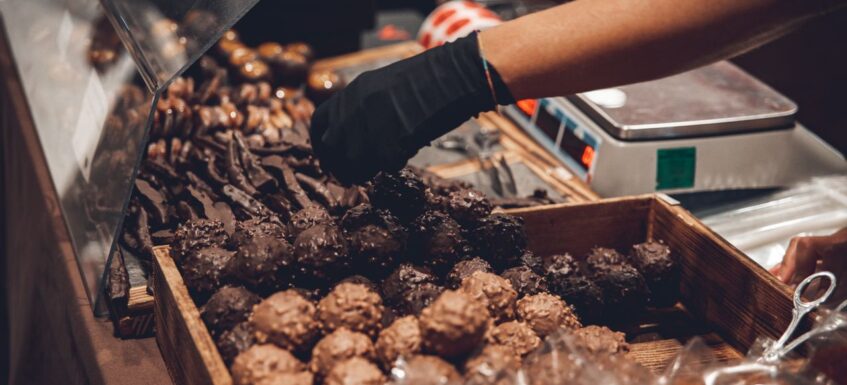
When it comes to tastes and preferences, India has always been a country of diversities, yet a treat that has quietly taken hold of the hearts and minds of people from all walks of life, whether in terms of age or economic strata is chocolate. The Indian Chocolate Market was earlier a niche, somewhat exotic urban delight but has since burgeoned into a mainstream product segment with established traditions in gifting, celebrations, and casual snacking. Expected to hit USD 1.89 billion by 2025, India’s chocolate market is projected to scale up to USD 3.14 billion by 2035, witnessing growth at a CAGR of 5.20%. Let’s examine the factors propelling this chocolate wave, its leading segments and its associated challenges.
Key Drivers Fuelling the India Chocolate Market
India Chocolate Market Sustained through a Blend of Demographics, Economics, and Lifestyle:
- Rising Disposable Incomes: India’s growing middle-class consumers are prepared to pay for high-end and artisan chocolates. Despite still lagging far behind the West, per capita chocolate consumption is rising consistently on an annual basis.
- Gifting Culture and Festive Demand: Chocolates are now, to a greater extent, an apt alternative to sweets, whether in the guise of Diwali hampers or birthday boxes. Annual spikes driven by events like festivals, Valentine’s Day, Rakhi, among others, remain to be the constant revenue streams for the category.
- Youthful Demographics: India has a median age under 30 years, and it is this younger generation that is fuelling chocolate sales. These consumers, willing to experiment, open to trying out the dark variety, sugar-free options and exotic new flavors are also brand-conscious.
- Expanding Retail and E-Commerce: These organised retail formats such as hypermarkets, supermarkets, and specialty stores, coupled with the growth of e-commerce and q- commerce formats, have increased the accessibility and visibility of chocolate products across urban and semi urban markets.
- Health and Wellness Trends: Increased focus on health and wellness, drives demand for higher cocoa content varieties like dark chocolates (70%+ cacao), sugar-free variations, and functional chocolates with inclusions of superfoods, seeds, nuts, and adaptogens. The concept of ‘permissible indulgence’ is giving rise to premium product categories.
Market Segmentation: What’s Selling and Were
By Product Type
- This is driven by Milk chocolate’s dominant share in total confectionery volume sales and strong reach to all age groups, as well as its position in the mass market.
- Among the segments, dark chocolate has seen highest growth driven by health-aware urban consumers looking for healthy low sugar, antioxidant rich alternatives.
- The trend of ruby and white chocolate appears to be increasing in appeal among the niche high-end gifts and patisserie market
By Distribution Channel
Supermarkets and hypermarkets remain the leading brick-and-mortar sales format, with online channels proving considerably quicker in growth trajectory. The evolution in distribution networks-rise in D2C models, subscription boxes and impulsivity purchasing through social media-has transformed the Indian chocolate market. As smart phone penetration and efficient supply chains enable better access in tier-2 and tier-3 cities, the chocolate market continues to expand.
Competitive Landscape: Brands Shaping the Market
While multinationals, at the helm of The India Chocolate Market, may hold a strong position in this developing space, rising independent and indigenous brands may shake up its current status quo.:
- Global Giants: The current Indian market shares are mainly Mondelez International (Cadbury), Nestle, Ferrero and Mars. Dairy milk from Cadbury brand is very strong and already the brand symbolises for chocolate advertising in India.
- Indian Challengers: Local players like ITC Fabelle, Amul along with a slew of niche gourmet start-ups in the D2C space like Mason & Co, Paul & Mike – all exploiting story, traceability, single origin sourcing, creative flavour palettes.
- Private Labels and Co-branding: In the sector, Retail brands and delivery food operators are also launching branded chocolate lines that put upward pressure on the sector.
Challenges Facing the Industry
- Cocoa price fluctuations are a persistent systemic problem because much of the cocoa to India is imported. Global shortages of supply, particularly from West Africa directly influence supply costs. This translates into higher retail price of cocoa-based products.
- However, India’s tropical weather results in some of the most common and unique cold supply-chain difficulties: Products may have reduced shelf life, logistical expenses could increase especially for niche or luxury and artisanal products.
- Competition from mainstream India’s sweets (mithai) is quite challenging in view of the established loyalties towards confectionery segments in regional markets especially during festival time…
Frequently Asked Questions (FAQs)
Q1. What is the current worth of India Chocolate Market?
India Chocolate Market size was valued at USD 1.89 Billion in 2025. It is projected to expand at a strong CAGR of 5.20% to reach USD 3.14 Billion by 2035. Growing disposable incomes, evolving gifting patterns and increasing consumption of high-end and wholesome chocolate products will likely propel the market growth.
Q2. Which chocolate segment is growing the fastest in India?
The dark chocolate segment in India is the fastest growing category. Due to greater consumer awareness of the potential health benefits of high cocoa content products such as antioxidant content and reduced sugar content, the segment registered a strong double-digit growth rate particularly among the urban millennials and Gen Z.
Q3. Who are the key players in the India Chocolate Market?
Key players The market is being powered by giants such as Nestle, Mondelez International (Cadbury), Ferrero and Mars, and an army of Indian premium and home-grown brands such as Amul and Fabelle, and many a D2C startups, that focus on Indian ingredients and sourcing narratives for luxury products at affordable pricing
Conclusion
The chocolate of today has ceased to just being in form of candies and chocolate bars; but the industry that today exemplifies the genesis of consumer economy of a blooming India; chocolate business has transitioned. Regardless of the ultra –cheap mass production segment to exclusive ultra luxury organic single origin artisan chocolate tablets of high value; diversity of the industry signifies a burgeoning market and substantial room for growth. With Indian as well as international organizations investing in new-age product innovations, building cool chains, cold storages, increasing the outreach with innovative digital platforms the Indian Chocolate business sector will witness a new dawn this decade.
We at the Expert Market Research aid to all entrepreneurs, investors, businesses and consumers who wishes to be capitalizing on the current opportunities in India Chocolate market and in Food and Beverage Industry with reliable, data-driven research & insightful reports & services.
Our experts’ deliver accurate analysis; up-to-date data & intelligence related to factors affecting business and market trends.
*
*